Treat yourself to churros that are freshly made and perfectly coated
What Are the Crucial Dishes That Specify Mexican Food?
Mexican cuisine is a lively representation of its cultural heritage, defined by a variety of vital recipes. Tacos, mole, pozole, tamales, and ceviche each tell a special tale of tradition and flavor. These foods not just please the palate however additionally embody the spirit of community and event. Recognizing their significance exposes much concerning Mexico's cooking identity. What lies below the surface area of these precious recipes?
Tacos: The Quintessential Road Food
Tacos are usually pertained to as the quintessential road food of Mexico, commemorated for their convenience and abundant tastes. They contain an easy tortilla, usually made from corn or flour, full of a variety of ingredients that can range from smoked meats to veggies. This versatility enables for numerous regional variants, each showcasing regional flavors and traditions.
Popular dental fillings consist of carne asada, carnitas, and pollo, commonly gone along with by fresh garnishes like cilantro, onions, and lime. Street suppliers skillfully prepare and serve tacos, making them a inexpensive and practical option for residents and tourists alike.
The experience of consuming tacos is improved by the dynamic atmosphere of Mexican roads, where the scent of spices and searing meat fills the air. This iconic meal not only pleases appetite yet likewise represents the social richness of Mexico, mirroring its history, area, and culinary virtuosity.
Mole: A Symphony of Flavors
Mole embodies the complexity and deepness of Mexican cuisine, supplying an abundant tapestry of flavors that astound the palate. This sauce, often made with a mix of chilies, spices, nuts, and delicious chocolate, showcases the artistry and cultural heritage of Mexico. Each area boasts its special interpretation, with variants such as mole poblano and mole , reflecting regional ingredients and customs.
The prep work of mole is an elaborate procedure, requiring skill and perseverance as the ingredients are very carefully toasted, ground, and simmered to excellence. The resulting sauce can range from mouthwatering to pleasant, with layers of flavor that progress with each bite. Commonly served over poultry or turkey, mole goes beyond mere nourishment, usually gracing special events and parties. Its vibrant color and complicated account signify the rich culinary identity of Mexico, making it a necessary recipe that resonates with both locals and visitors alike.
Pozole: A Hearty Practice
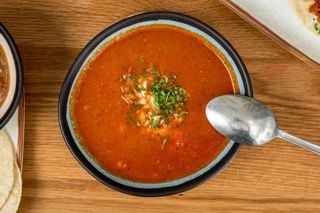
Although often delighted in throughout joyful celebrations, pozole is a recipe deeply rooted in Mexican practice, embodying both cultural significance and communal spirit. This hearty soup, made primarily from hominy, meat-- usually pork or chicken-- and a rich broth, has old beginnings that map back to pre-Columbian people. Traditionally prepared for parties such as Mexican Freedom Day and weddings, pozole goes beyond plain sustenance, promoting a sense of unity amongst those that engage.
The dish can be found in numerous local variations, including pozole rojo, blanco, and verde, each distinguished by its special ingredients and flavor accounts. Toppings such as shredded cabbage, radishes, avocado, and lime improve the meal, permitting personal expression. Past its tasty top qualities, pozole functions as a symbol of heritage, connecting generations through shared dishes and culinary practices. Its prep work commonly ends up being a communal occasion, strengthening bonds among friends and family, making it a true symbol of Mexican hospitality.
Tamales: Wrapped crazy
Tamales hold a special area in Mexican food, similar to pozole, commemorating tradition and area. These wonderful parcels of masa, or corn dough, are generally loaded with a range of active ingredients, consisting of meats, fruits, vegetables, or cheeses, and after that wrapped in corn husks or banana leaves prior to being steamed to perfection - best mexican westchester NY. The prep work of tamales typically entails household celebrations, where generations collaborated to share the labor of blending, loading, and wrapping, strengthening their significance as a common recipe
Tamales are particularly prominent throughout festive events, such as Xmas and Día de los Muertos, signifying a connection to cultural heritage. They are not simply food; they personify love, care, and the passing down of cooking abilities. Each region in Mexico boasts its very own one-of-a-kind variants, showcasing neighborhood flavors and traditions, making tamales a beloved staple that transcends generations and unites individuals across the country.
Ceviche: A Fresh Coastal Pleasure
Ceviche, a lively recipe rooted in the seaside areas of Mexico, showcases the freshness of the sea's bounty. Typically made with raw fish marinaded in citrus juices, especially lime, ceviche is celebrated for its invigorating flavor account. The level of acidity from the lime "chefs" the fish, causing a tender structure that pairs wonderfully with the brilliant ingredients typically included, such as diced tomatoes, onions, cilantro, and chili peppers.
Regions like Baja The Golden State and the Yucatán Peninsula have their very own unique versions, incorporating neighborhood fish and shellfish such as shrimp, octopus, or scallops. Offered cooled, ceviche is frequently gone along with by tortilla chips or tostadas, enhancing its allure as a prominent appetizer or light meal. This recipe not just shows the rich aquatic life of Mexico however likewise highlights the cultural value of fresh, regional components in Mexican gastronomy. Ceviche remains a cherished representation of coastal cooking customs.
Frequently Asked Concerns
What Are the Key Ingredients in Traditional Mexican Cuisine?
Trick components in conventional Mexican food include corn, beans, chilies, tomatoes, and avocados. mexican food. These staples develop the structure of numerous recipes, showing the vivid flavors and varied culinary heritage of Mexico's abundant gastronomic landscape
How Has Mexican Cuisine Evolved Gradually?
Mexican food has advanced through centuries, affected by aboriginal customs, Spanish emigration, and international active ingredients. This dynamic mix has caused diverse local flavors, methods, and meals that continue to innovate and adapt with modern cooking trends.

What Prevail Dietary Restrictions in Mexican Cooking?
Common dietary restrictions in Mexican cooking consist of vegetarianism, gluten, and veganism intolerance. Numerous standard meals can be adapted to accommodate these choices, ensuring that tastes continue to be vivid while valuing specific cultural practices and dietary demands.
Just How Do Regional Variations Impact Mexican Meals?
Regional variations significantly influence Mexican dishes via neighborhood components, conventional cooking approaches, and social impacts. Each region's unique environment and background contribute distinctive tastes, methods, and recipes, resulting in an abundant culinary diversity throughout the country.
What Beverages Set Best With Mexican Food?
Traditional Mexican food pairs well with beverages like horchata, aguas frescas, and tequila. Craft beers and mezcal additionally match the tastes, improving the dining experience with their distinct profiles and freshly made guacamole stimulating qualities.
Mexican cuisine is a vibrant representation of its cultural heritage, identified by a range of essential recipes. Mole embodies the intricacy and depth of Mexican food, using an abundant tapestry of flavors that astound the taste buds. Often appreciated during festive celebrations, pozole is a meal deeply rooted in Mexican tradition, personifying both cultural value and common spirit. Mexican food has advanced through centuries, affected by aboriginal traditions, Spanish emigration, and international ingredients. Regional variations substantially influence Mexican meals via local components, conventional food preparation methods, and social impacts.